Ideas For Your Winter Classroom
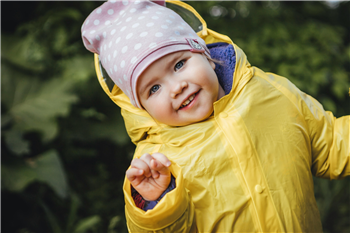 As the weather turns colder, it is easy to forget the importance of our outdoor classrooms. However, winter is an ideal time to think about how you can use the season to enhance learning opportunities outside.
If everyone is dressed appropriately, fresh air and being in nature are proven to support wellbeing.
- Communicate with parents about providing additional clothing for outdoor activities.
- Collect spare clothes and gloves or ask for donations from parents.
Observing Seasonal Changes
Teach the changing seasons by observing a plant or tree in your garden throughout the year.
- Take a picture now and notice how the leaves have changed on deciduous trees.
- Use these observations later in spring and summer to explore change and develop vocabulary and early science skills.
Frost and Ice Exploration
- Freeze ice blocks with flowers, leaves, or small animal figures inside.
- Provide tools for chipping away at the ice (with safety goggles and gloves).
- Offer warm water, pipettes, or spray bottles to explore melting, texture, and temperature.
Winter Story Time 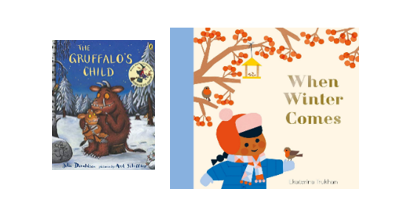
- Read winter-themed books outside, such as The Gruffalo’s Child or Stick Man.
- Provide blankets and warm milk.
 Bird Feeding Time
- Make simple bird feeders and hang them in the garden.
- Observe and discuss the wildlife that visits.
Winter Sensory Walk
Adapt the theme of We’re Going on a Bear Hunt to We’re Going on a Winter Walk.
Ask: ‘Oh no! What can you see, hear, feel?’
Examples:
- Hear: cold, crunchy grass
- See: bare-branched trees
- Feel: slushy, sticky mud or cold, soft snow
Outdoor Game
Keep outdoor learning active to stay warm.
- Try games like What’s the Time, Mr Wolf? or build obstacle courses.
Growing 
- Use your outdoor garden to plant crops such as garlic, kale and leeks
- The Royal Horticultural Society (RHS) website have a downloadable Crop Planner to assist you with planning, you can view this by clicking here.
Water and Sand Trays
- If water and sand trays are closed outside, provide them indoors.
- If water remains outside, add warm water and check the temperature throughout the day.
Risk Assessment
- Involve children in daily equipment risk assessments.
- Teach them to identify hazards (e.g., frost on a ladder).
- Assign monitoring roles where children check risks with an adult before activities.